
Hey, I'm Gintaras. I'm a Design Lead who helps teams figure out what actually matters and ship it.
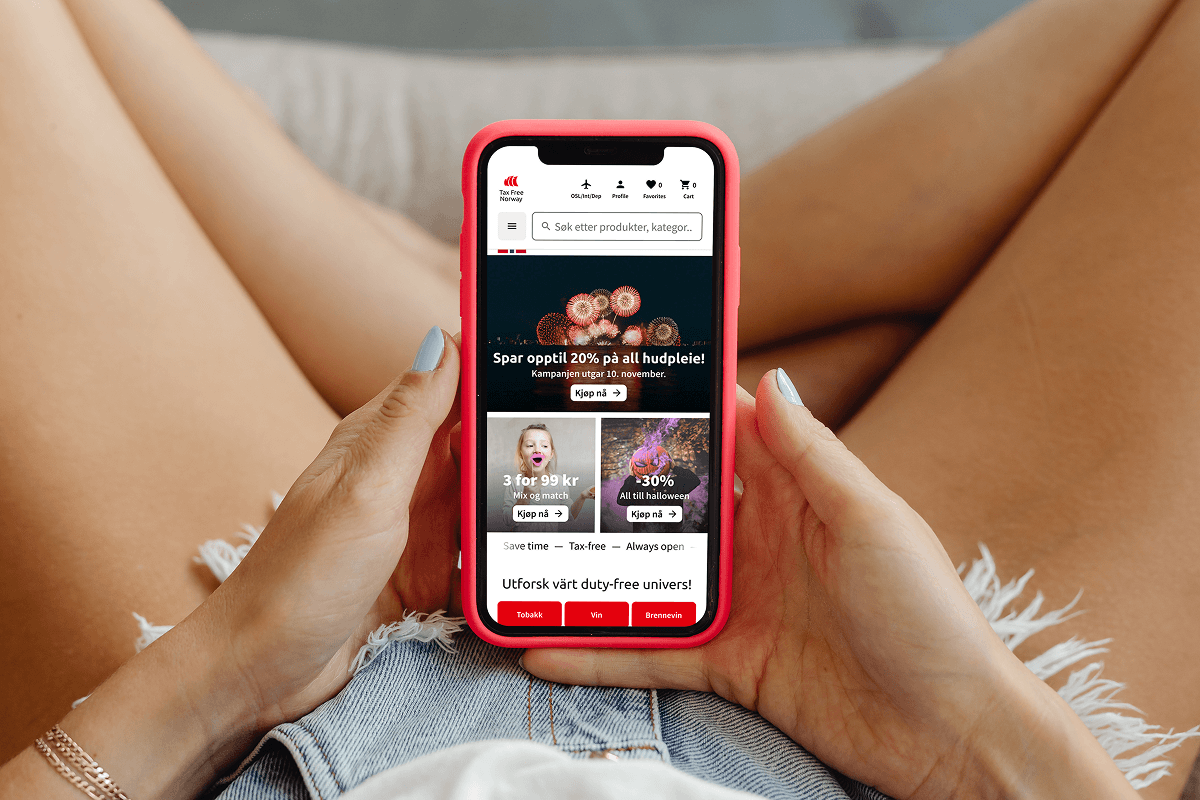
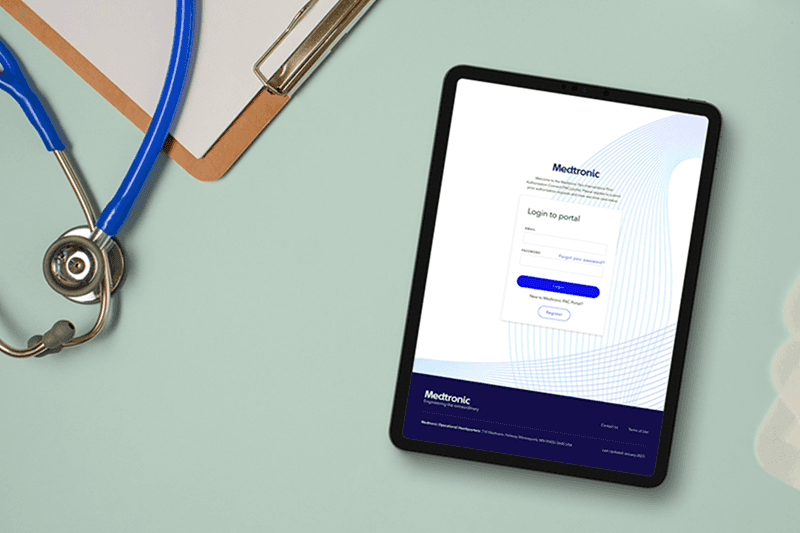
Tax-Free.no went from clunky checkout to +197% ARPU. Philips shipped one design system across 17 markets. Consistent, accessible, scalable. Medtronic replaced fax with a digital workflow, cutting prior authorization time by 50%.
I cover the full design surface. Research, UX, UI, usability testing, design systems, and launch-ready UI code. I also write design specs for AI agents and MCP servers. Structured constraints, brand rules, and accessibility guidelines so AI-generated UI stays coherent, on-brand, and accessible from the first output. One person, no handoff.
Grounded in HCI. MSc IT Management, MBA.
If you're building something complex, and you need someone to make it feel simple and ship it, let's talk.
Brands I help succeed with world-class UX






Selected Work

Testimonials

"I am thoroughly impressed with the Gintaras work on synthesizing complex research data into a clear, objective, and scientific overview. This level of thoroughness and precision is something I haven't seen before and is truly commendable. The designer made the entire process seamless, collaborating effectively with our team and delivering exactly what we needed to meet business and leadership goals. Additionally, during the usability study, you created a calm and welcoming environment that encouraged honest feedback from users. Overall, a superb job—well done and greatly appreciated!"

Wendy Chan
Global Vice President Health Economics And Policy Reimbursement at Medtronic
"I was lucky to work with Gintaras on one of the biggest product in Adform - DSP. And one thing I can say confidently - Gintaras is a person worth every single grain of your trust and I would not imagine any Design & Product team that would not benefit from having him onboard. Gintaras is an easy-going, rational and hardworking colleague, very much oriented to quality result that would serve a product's user. Not to mention experience in a product design, he has a very good analytical & research skills that allows him to come up with top-notch UX solutions for the product. "

Antanas Štrimaitis
Product Manager at Wix.com
"As I had the honor to work with Gintaras for a big project. I am very happy that he was in the team, because his sense of attraction, the feeling of the project and responsibility was always the highest. His experience of an user experience journey is gigantic, he is able to find the most effective solutions, argue and submit and, in the course of time, prove that this was the right solution. I would be happy to work with in another project."

Paulius Stoškus
Head Of Digital products at "Telia Lietuva"


Services
1. Research & UX Strategy
Stakeholder interviews
Customer journey mapping
UX audits
Competitive analysis
Persona development
Behavioral data (Amplitude, Hotjar, MS Clarity, A/B testing)
Understanding real people in real contexts. Research that drives what gets built next, not a slide deck that sits in a drawer.
2. Information Architecture & Interaction Design
Navigation structures
Content hierarchy
User flows
UX writing and microcopy
The structural thinking that makes complex products feel simple. Grounded in HCI principles, validated through prototypes where the structure can be tested with real users.
3. UI Design, Prototyping & Usability Testing
High-fidelity prototypes for validation and stakeholder buy-in
Scalable UI design systems and reusable component libraries
Accessibility (WCAG) compliance
Usability test planning and task design
Test moderation (remote/in-person)
Findings synthesis and prioritized recommendations
Design decisions tested early with working prototypes and real users. What stakeholders see is what users get. Usability findings feed directly back into design, not into a report that waits for the next sprint.
4. Design Systems in Code
Design tokens (spacing, color, typography)
Production-ready component libraries
Interaction patterns
Coded prototypes
Figma is the new Photoshop. Most teams design a system in Figma, then translate it to code. That translation layer is where drift, inconsistency, and wasted cycles live. I skip it. Components, tokens, and interaction patterns are built directly in code. What the system defines is what ships. No sync plugins, no redlines, no "the build doesn't match the design." Defined once, consumed directly by engineering, consistent whether it ships to 1 market or 17.
5. AI-Ready Design Context
Design constraints
Brand rules
Accessibility guidelines
All structured for AI agents and MCP servers. When your team uses AI to generate or explore UI, these specs keep outputs coherent, on-brand, and WCAG-valid from the first generation, without manual cleanup.